Grain, Mountain, and Heart: Crafting Wood in the Julian Alps
Join us on a warm, sawdust-scented journey into handcrafted wood and sustainable forestry in Julian Alpine villages, where beech and spruce meet careful hands, community wisdom, and protected mountain slopes. We explore respectful harvesting, resilient crafts, and the people keeping forests alive. Subscribe, share your questions, and help these stories travel.
Where Trees Become Companions for Life

From Canopy to Workbench
Selective felling on frozen ground protects roots and rivulets, while horse logging and light cable lines keep soil breathing on steep, crumbly slopes. Boards are sawn close to the moon’s phase by tradition, then stickered under deep eaves, seasoning slowly until echoes dull and fibers settle. Patience shapes strength.
Morning in a Mountain Workshop
Before sunlight tops Triglav, a kettle hums beside the bench, and a spokeshave whispers along beech. The maker tests moisture with palm and ear, judges a knot’s story, and sets a mortise just shy of snug. Outside, ravens argue; inside, dovetails quietly agree to hold.
Seasons that Guide the Cut
Winter brings clean sap and quieter insects; spring grants quick checks if rushing tempts impatience. Storm years ask humility, salvaging windfall before beetles arrive, leaving habitat logs where owls nest. Timing is stewardship, and every delay teaches why good furniture begins long before the first shaving curls.
Stewards of Steep Slopes
Forestry here favors uneven-aged stands, protective buffers along torrents, and corridors where chamois and lynx still move. Certification helps, but relationships matter more: foresters know names, not just numbers. By mapping landslides, counting birds, and listening to elders, they choose cuts that leave tomorrow richer than today.
Joinery that Holds Through Winters
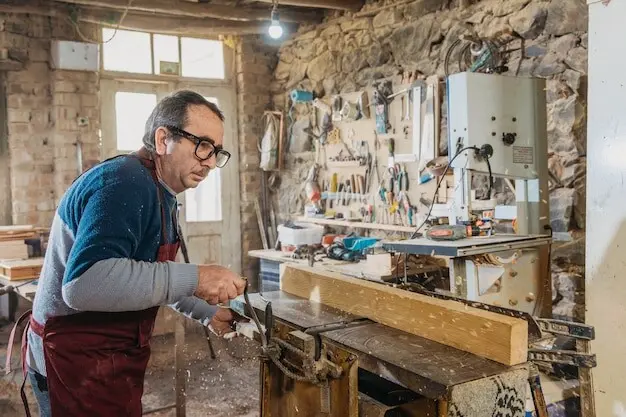
Furniture and cabins face freeze-thaw cycles, heavy quilts of snow, and spring humidity. Joinery answers by swelling, shrinking, and still staying kind. Mortise-and-tenon joints, dovetails, and scarf joints are cut to breathe, pinned with beech pegs, and finished with oils that move instead of cracking.
Old Joints, New Strength
A chair from Rateče taught us this: the shoulder matters more than the tenon’s length, and end grain drinks glue like a thirsty traveler. Shoulder planes tune bearing surfaces; drawbored pins lock alignment. Even after decades, seasonal swelling tightens everything, turning movement into whispered maintenance rather than failure.
Finishes that Breathe
Linseed oil warmed in a jar beside the stove, beeswax rubbed with patient circles, and casein paint tinted with iron earth all protect without trapping moisture. Low-VOC blends keep kitchens comfortable. You can refresh surfaces with a rag and an evening, extending life while preserving honest touch.
Tools with Memory in the Handle
An adze carries scars from a grandfather’s roof timbers, while a spokeshave’s blade remembers a violin maker’s spruce. Tools are resharpened, rehung, and never wasted. Their modest appetite for steel and power keeps footprints small, and their cadence teaches makers to pause before each cut.
Wood Species, Climate, and Sound
Species choice is a dialogue with altitude and weather. Spruce from slow, high slopes rings like a bell for instruments; larch shrugs at rain; beech holds sturdy curves indoors. Mixed stands resist beetles and windthrow, while Natura 2000 protections anchor habitats that craftspeople depend on daily.
The Patience of Tonewood
Tonewood cutters around Bohinj read annual rings like music, searching for straight grain, tight spacing, and even color. Sets are split, not sawn, to follow fibers, then aged for years until tap tones bloom. Luthiers visit attics, knock boards, and smile when silence turns suddenly to singing.
Larch Against Weather and Time
High resin and dense latewood help larch outlast storms on ridgelines. Shingles split along the grain shed water cleanly, silvering with dignity. Builders mind ventilation gaps and generous overhangs, pairing wooden gutters with stone splash zones. When wind howls, roofs murmur calmly, a sound learned across centuries.
Diversity as Protection
Spruce monocultures invite bark beetles, but mixed stands weave buffers of larch, beech, maple, and fir. Gaps are filled with site-suited saplings, not just quick growers. Understory flowers invite pollinators; coarse woody debris feeds mushrooms. Diversity lowers risk, spreads beauty, and fortifies both livelihoods and hillsides against surprises.
People, Livelihoods, and Local Value
Sawmills hum beside bakeries; woodchips warm schools; and small studios sell bowls, toys, and beams cut to repair barns. Apprentices return after seasons abroad, bringing confidence without arrogance. Fair prices follow fair forests, and storytelling connects customers to makers. Your purchase, questions, and subscriptions keep this circle turning.


Caring for Pieces that Care for You
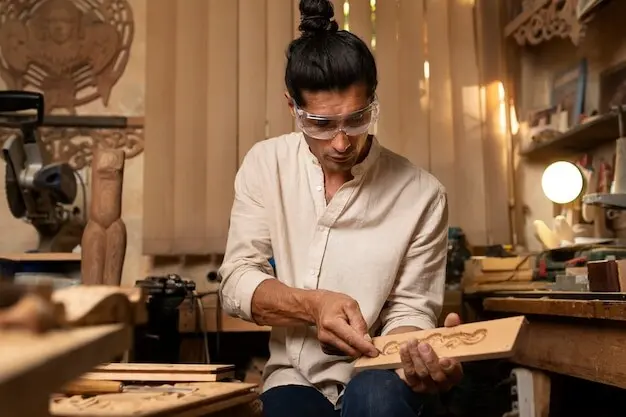
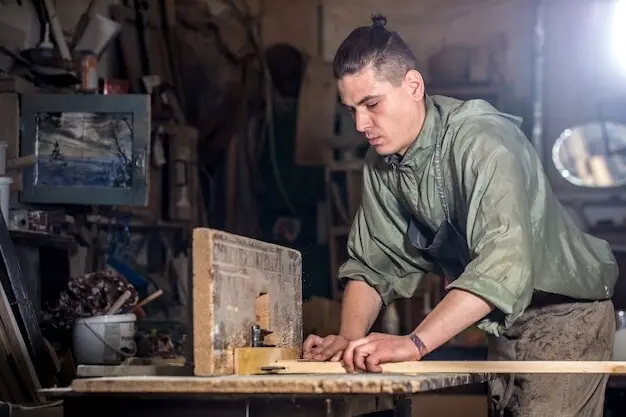
Wood moves with you through seasons, rewarding small kindnesses. Keep rooms gentle, mend instead of discard, and let finishes age with grace. Maintenance is not a chore; it is a relationship that saves resources, money, and memories while honoring the mountain trees that first offered their fibers.
Tradition Meeting Tomorrow
Innovation enters quietly, carrying respect. Small workshops adopt sensors for kiln drying, drones to map storm damage, and open-source plans to reduce miscuts. Cross-laminated panels appear in municipal projects, yet hand-finished details remain. Progress serves place, proving technology feels gentlest when guided by memory and mountain light.